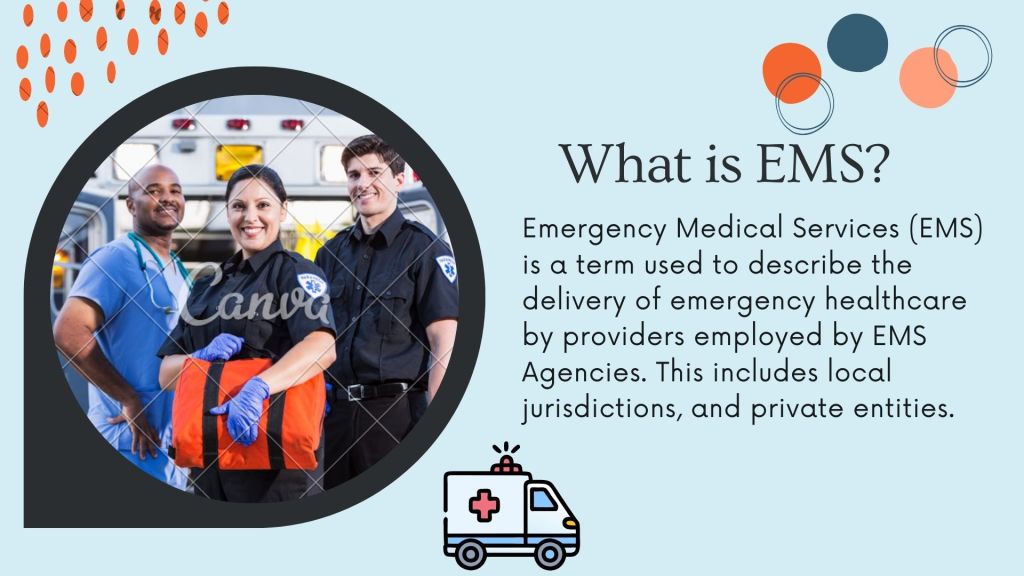
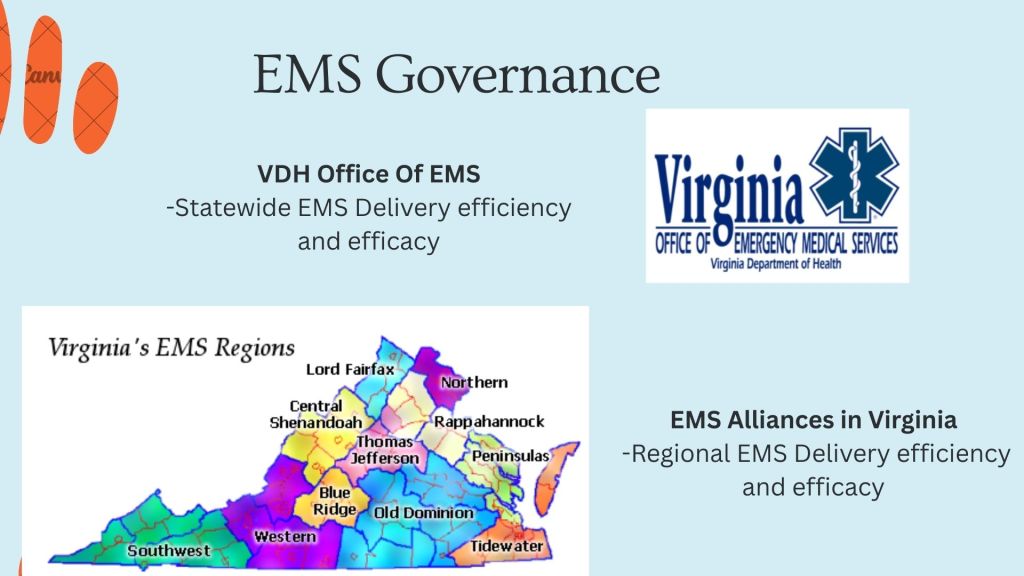
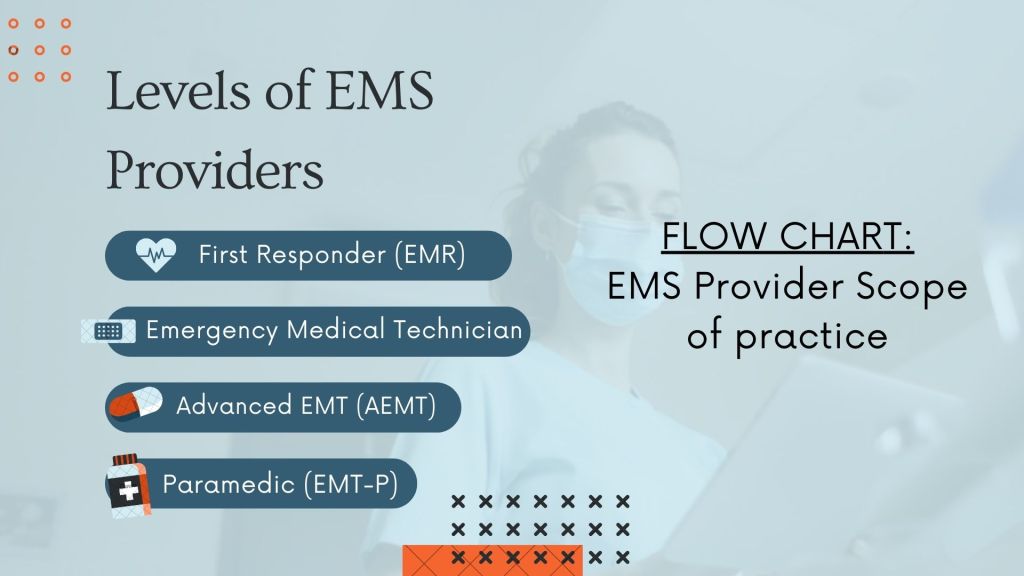
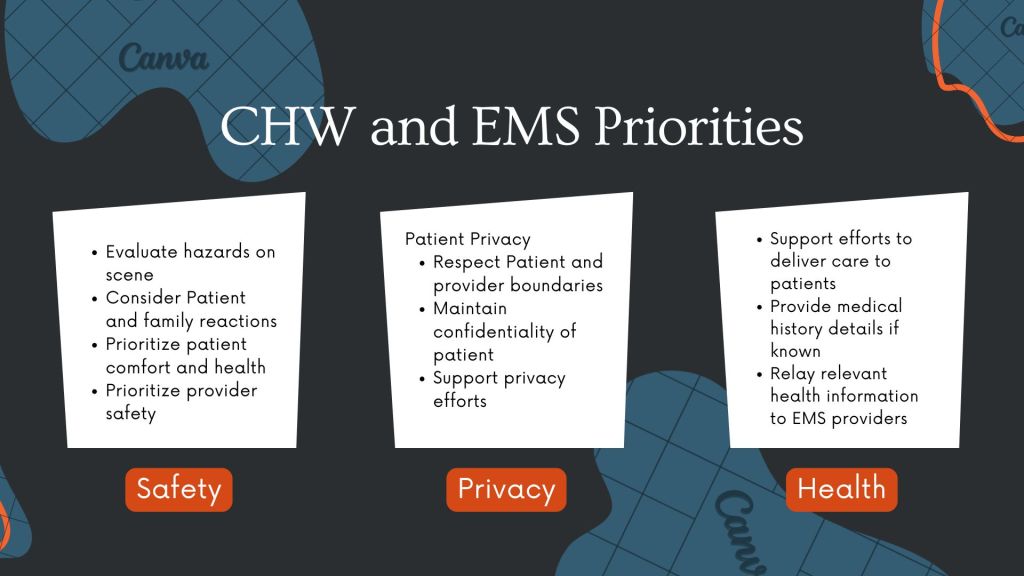
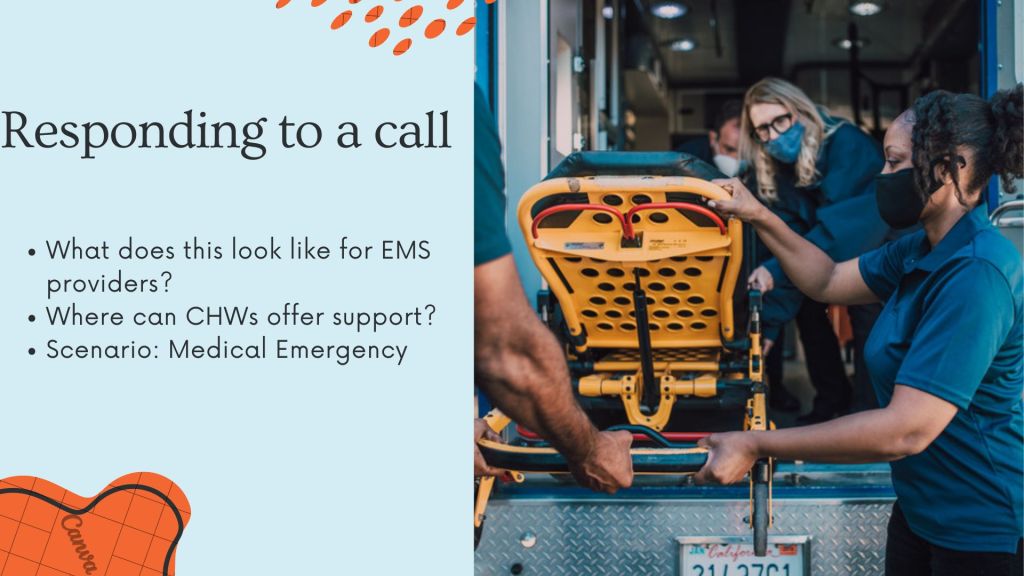
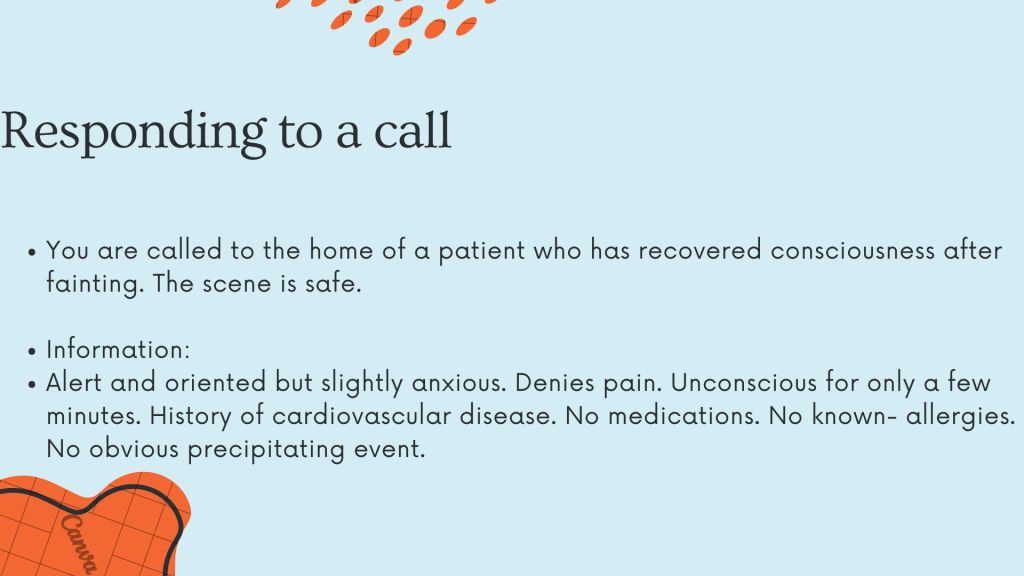
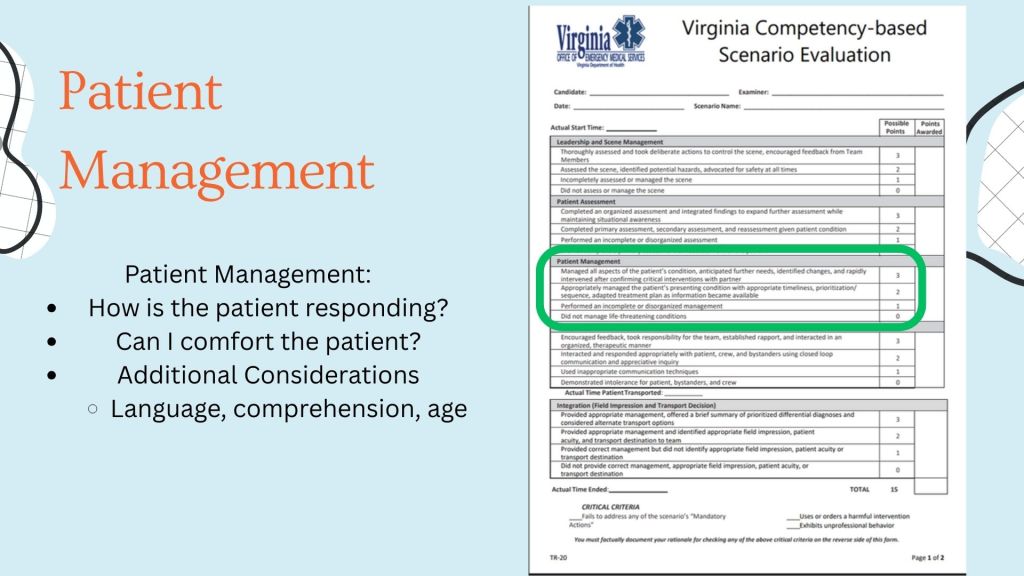
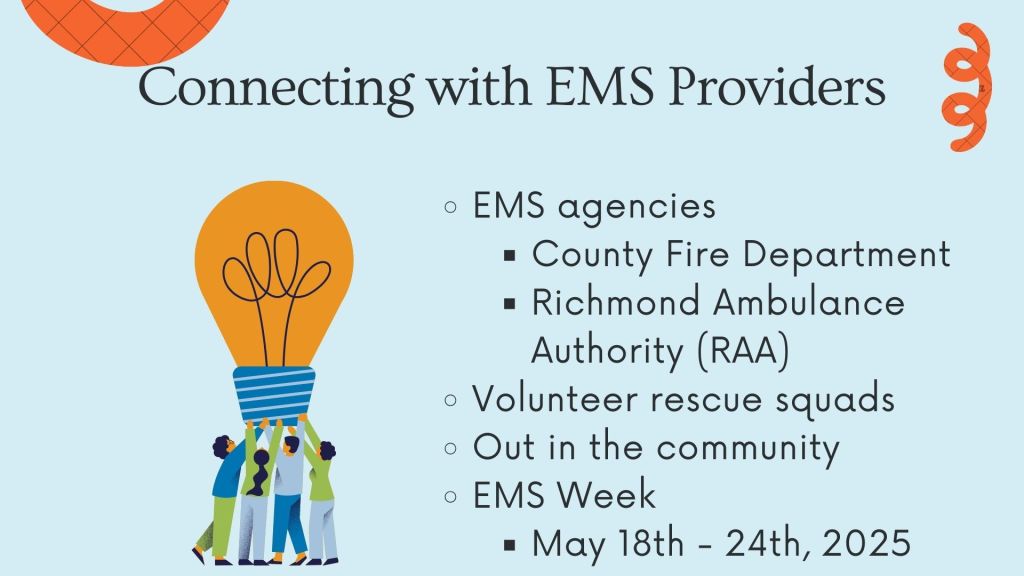
DDuring my internship, I had the opportunity to create and lead a workshop for the first time, which turned out to be one of the most rewarding parts of the entire experience. The goal of the workshop was to teach Community Health Workers (CHWs) about Emergency Medical Service (EMS) providers and how both groups can work together to better serve their communities. Planning it was a little intimidating at first because I wanted to make sure the information I shared was actually useful to CHWs and respectful of what they already knew. To prepare, I met with Shanteny Jackson, the Executive Director of the Virginia Community Health Worker Association (VACHWA). She gave me great insight into the kinds of questions CHWs had about EMS and helped me think through how to connect those questions to the care process. That conversation really helped shape the content of my presentation. I created a slideshow that focused on those real-world connections, and I made sure the language was clear and accessible. When it was time to present, I hosted the session over Zoom with a small group of CHWs.
At first, I was both excited and nervous. I cared a lot about getting it right, and I didn’t want to come across as someone who thought they knew more than the audience. But once the workshop started and I got into the flow, the nerves settled a bit. I realized I really enjoy teaching—especially when it’s about something that helps build stronger community connections in health. I was also proud that I had taken the time to meet with Shanteny beforehand. That step made a big difference in how confident I felt about the content and how well the CHWs responded to it. They asked thoughtful questions, which let me know they were engaged and found the session useful.
Even though the workshop went well overall, I noticed a few areas I could improve. I could’ve done a better job with pacing and checking in more during the session. I think I got a little caught up in making sure I covered everything, and I didn’t always pause long enough to make space for more discussion. I also think the CHWs would’ve appreciated more time to share their own experiences. Looking back, I see that my instinct is to plan carefully and lead with a strong structure, but I’m still learning how to make space for more interaction in live sessions. That’s something I want to keep getting better at. In public health, especially when working with CHWs, it’s important to create two-way learning moments—not just deliver information.
This experience taught me how important it is to ground public health work in real community needs. It also reminded me that I don’t need to have all the answers to be an effective teacher or facilitator. What mattered most was creating a space where CHWs felt like the information was relevant to their work. I felt good about sticking to my values—wanting to build relationships and create understanding between different parts of the health system. And although I had moments where I doubted myself, I saw that good preparation and community input go a long way in building confidence and trust.
If I were to do it again, I’d definitely include more interactive pieces, like case scenarios or group discussion points. I also want to get better at collecting feedback so I can keep growing from each experience. In the end, I learned a lot—not just about EMS and CHWs, but about myself and the kind of public health work I want to do: community-focused, collaborative, and grounded in listening first.
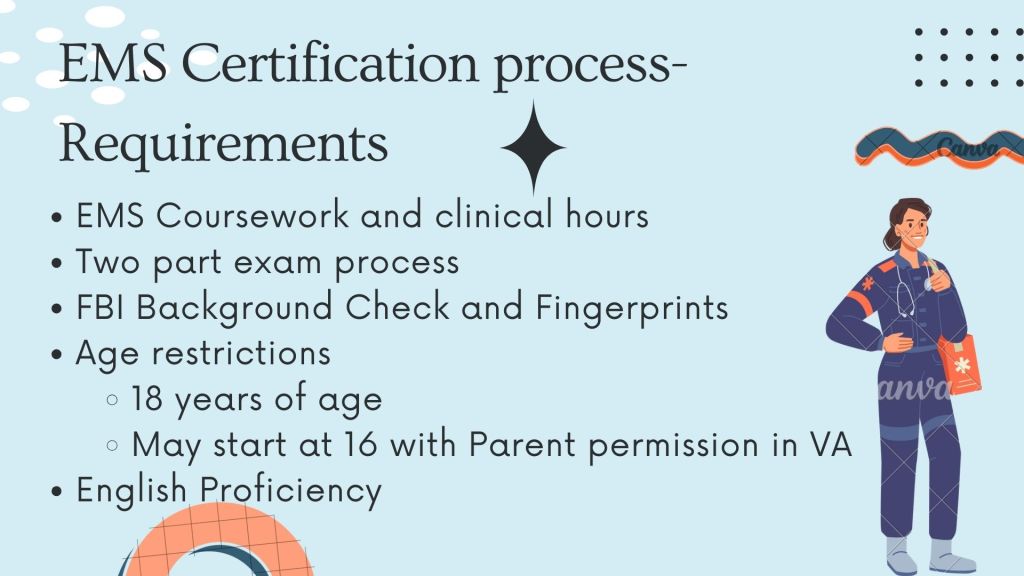
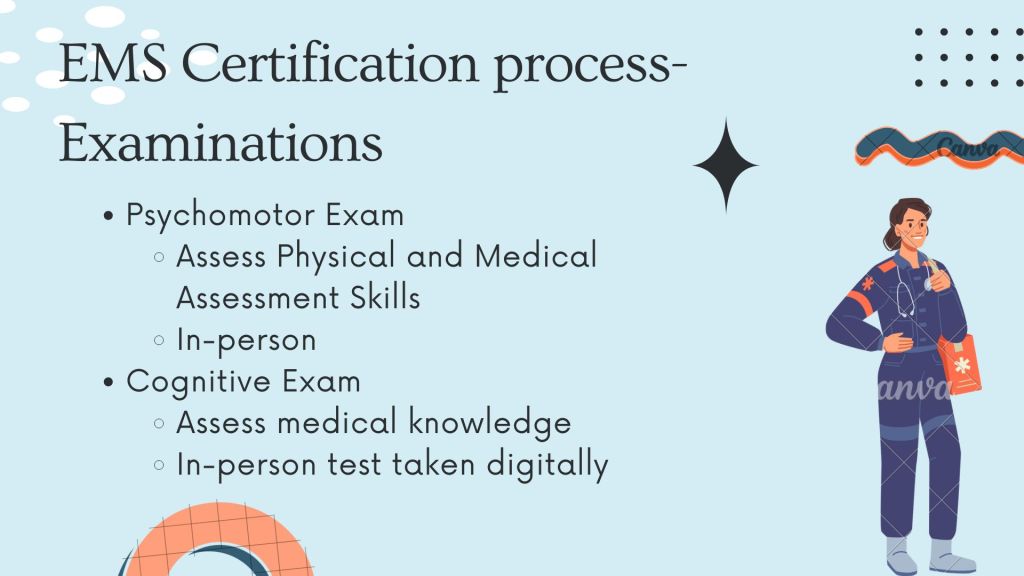
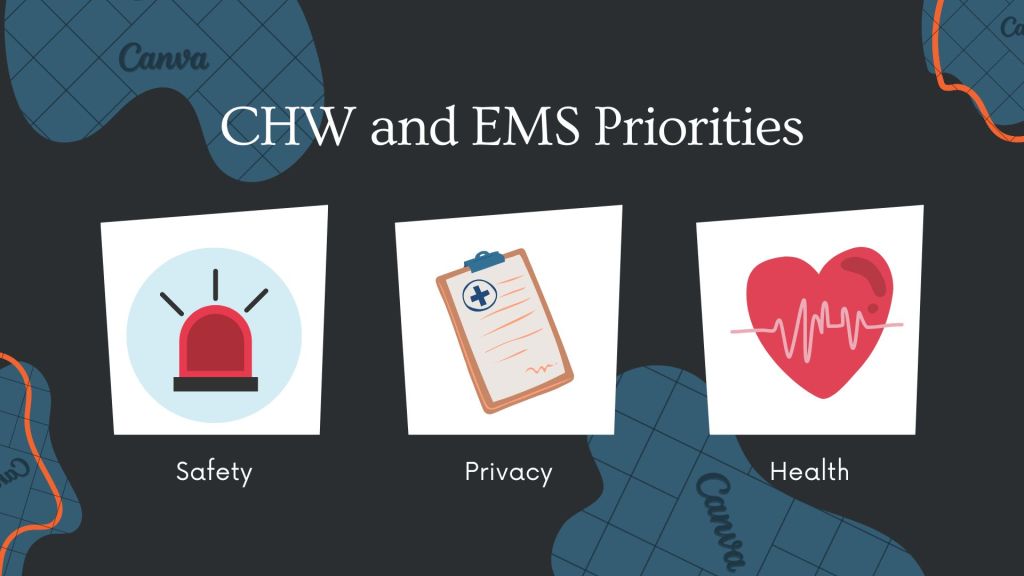
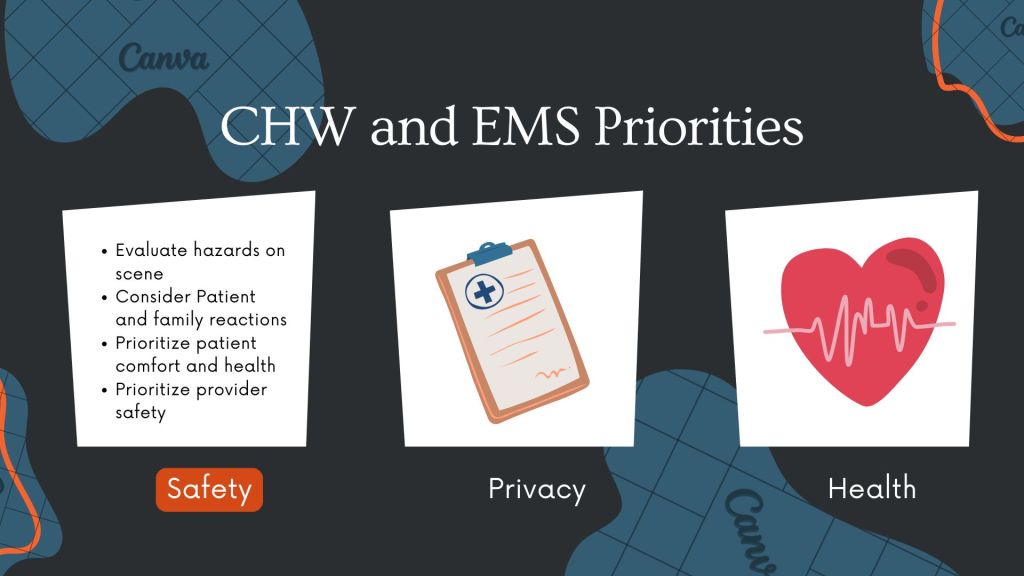
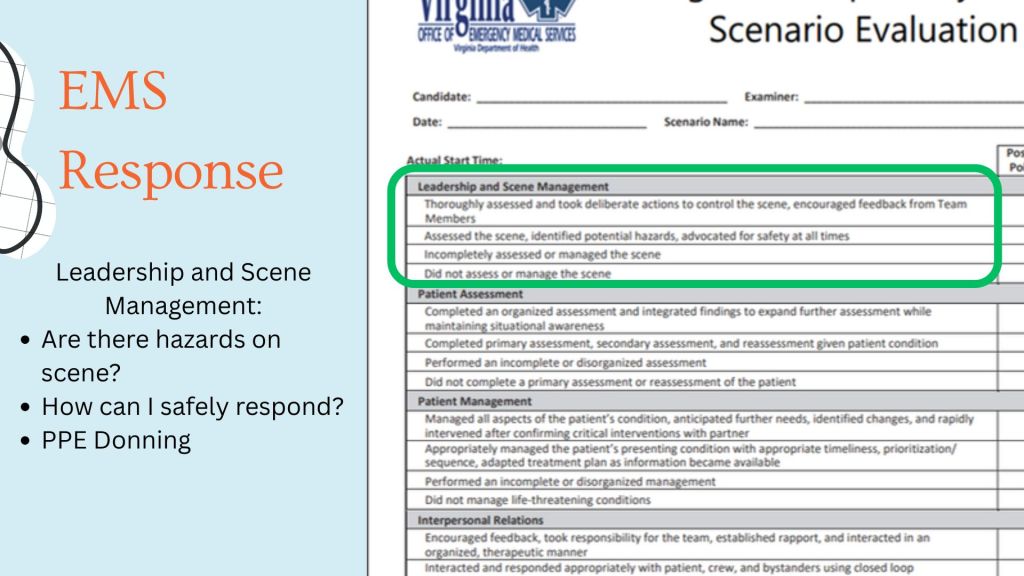
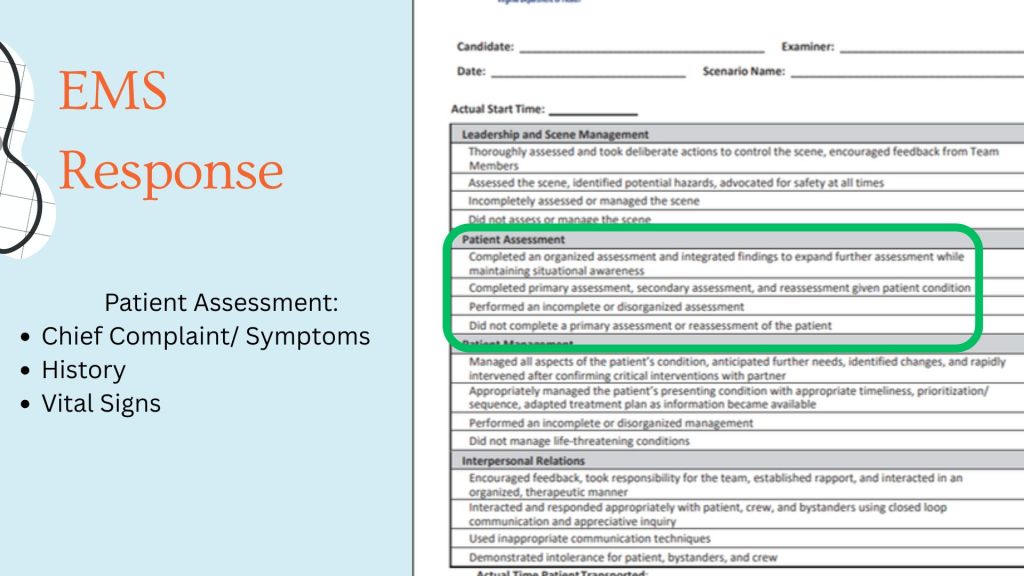
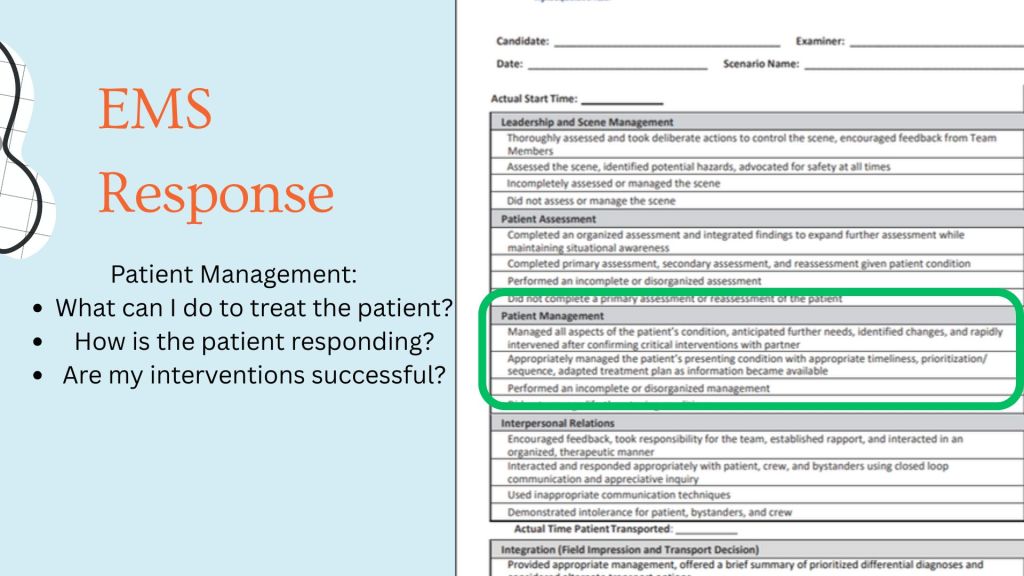
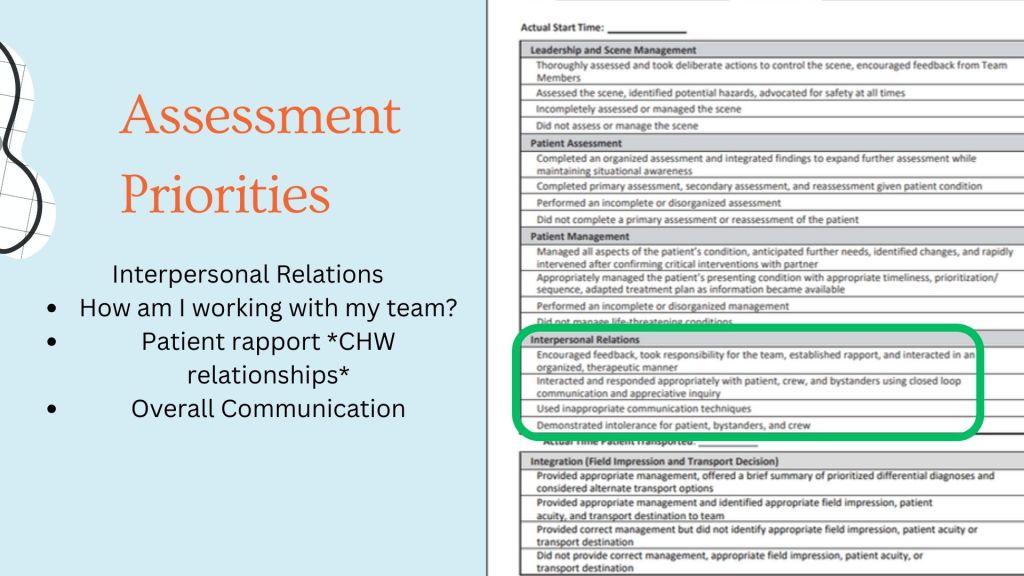
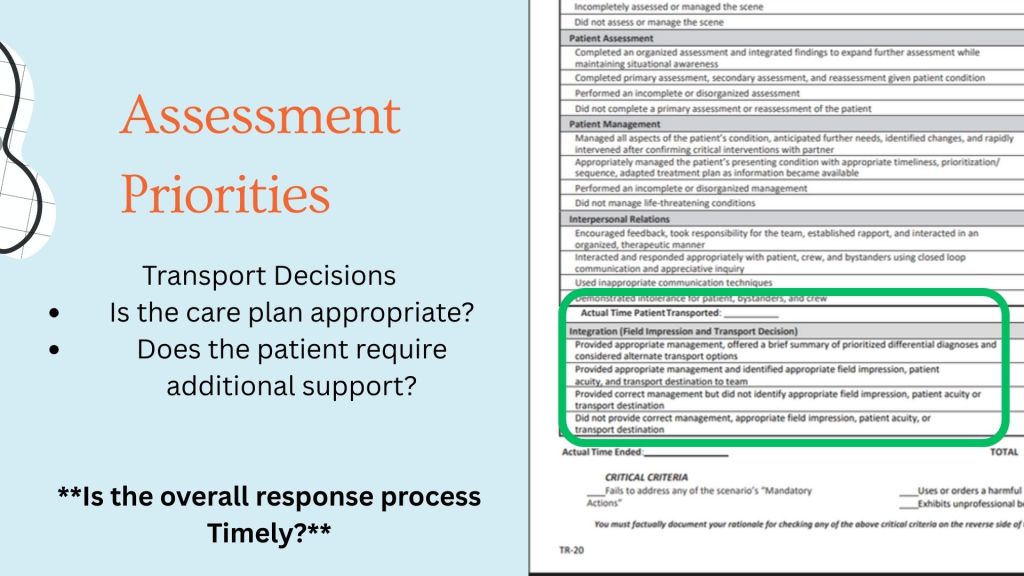
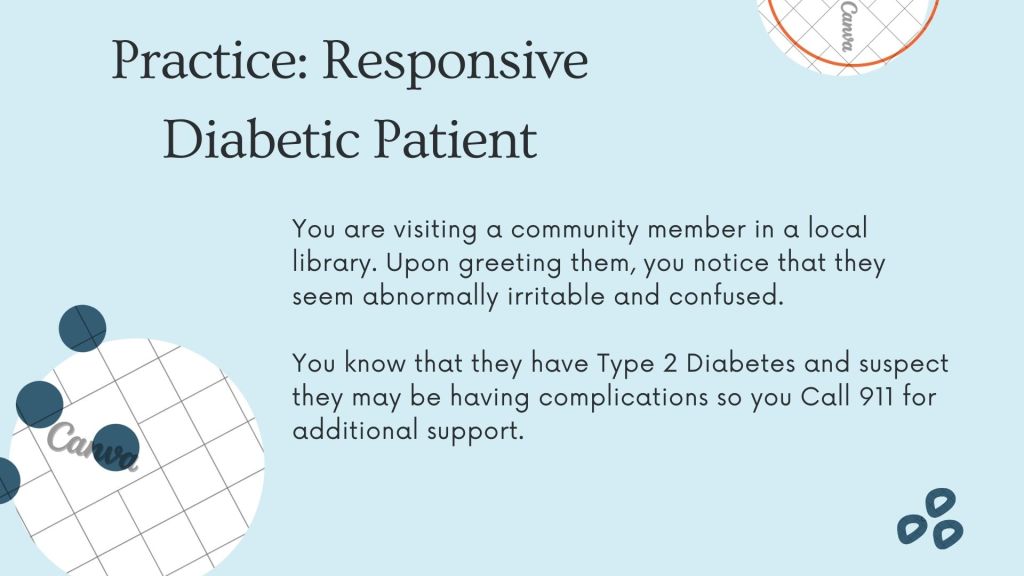
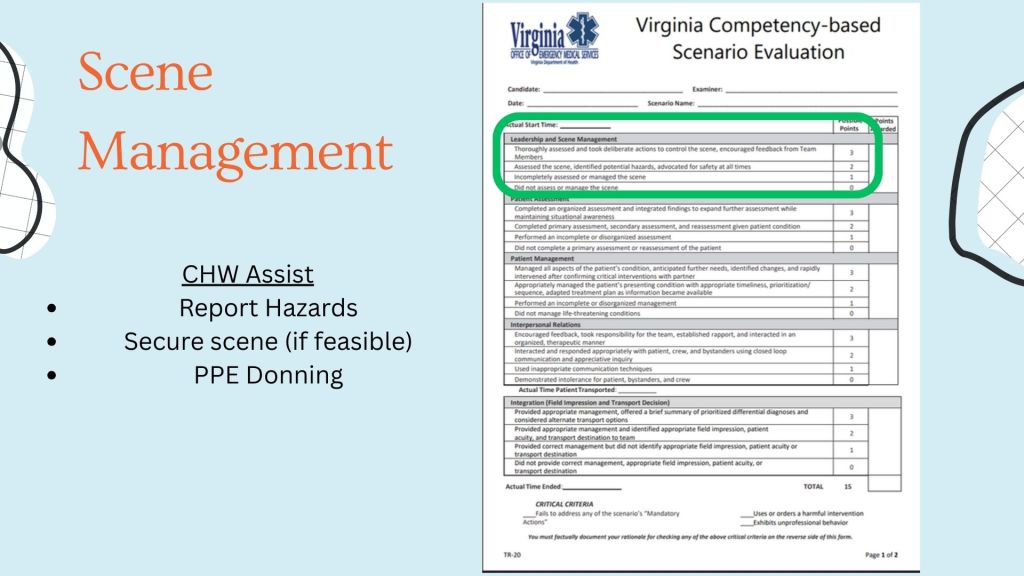
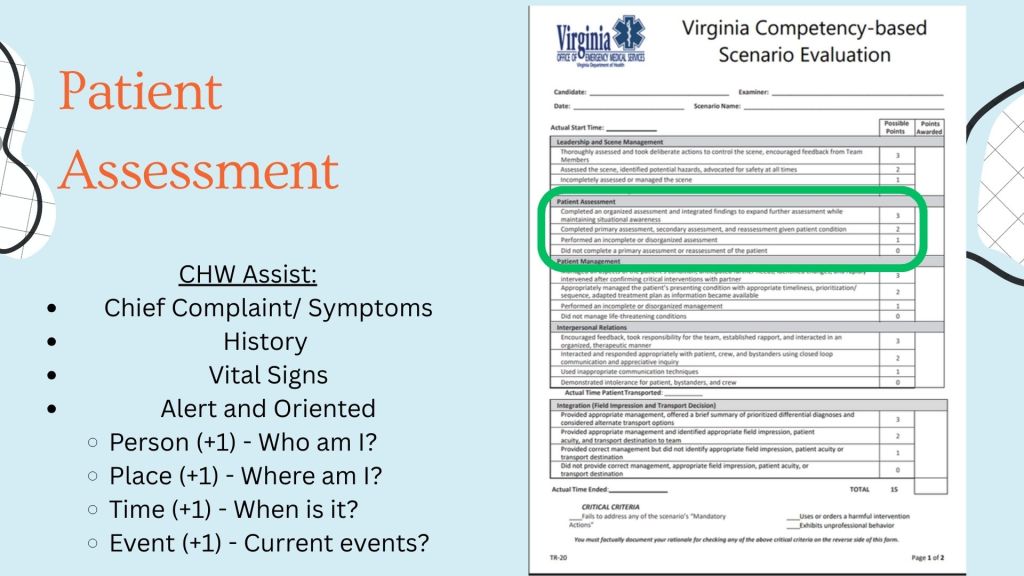

Upload Workshop slides from Canva into here^
 Rajah Daughtry, MPH